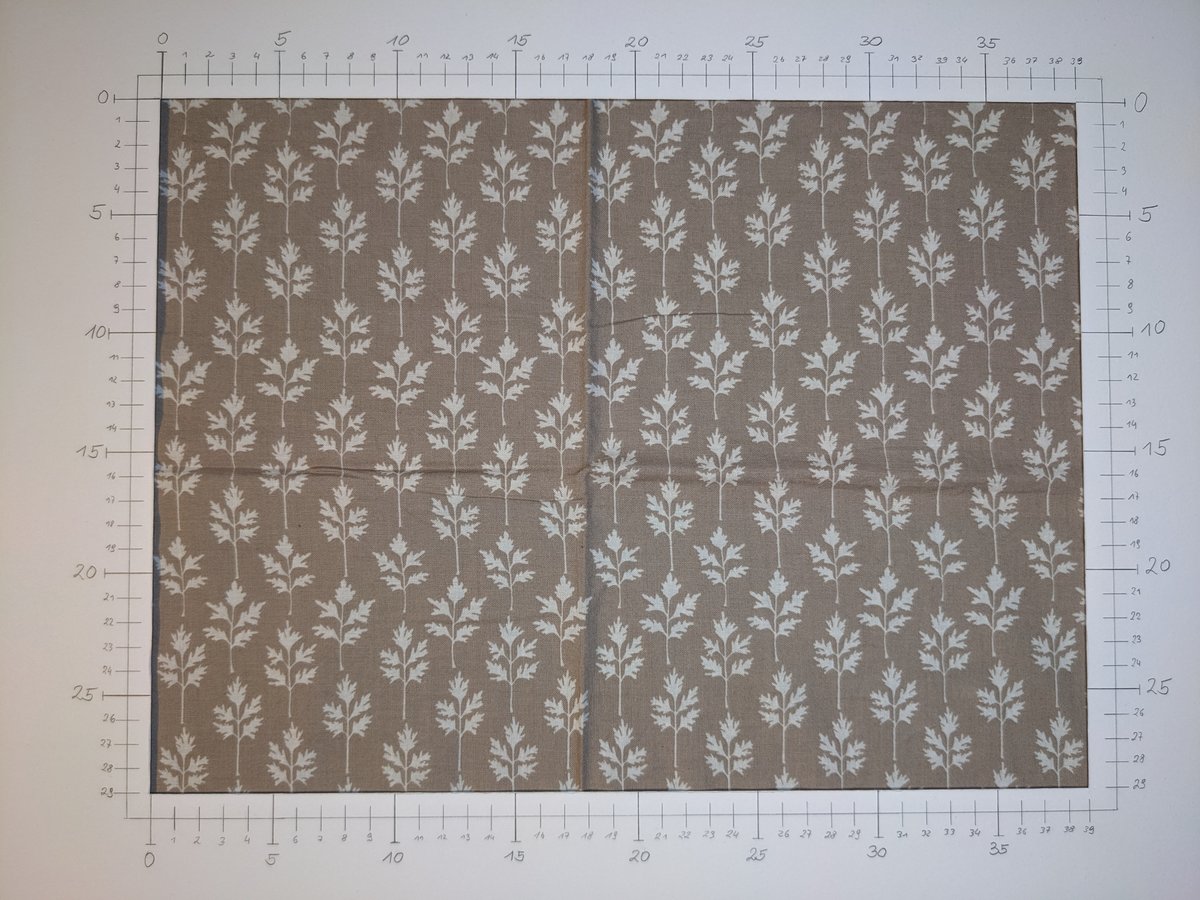
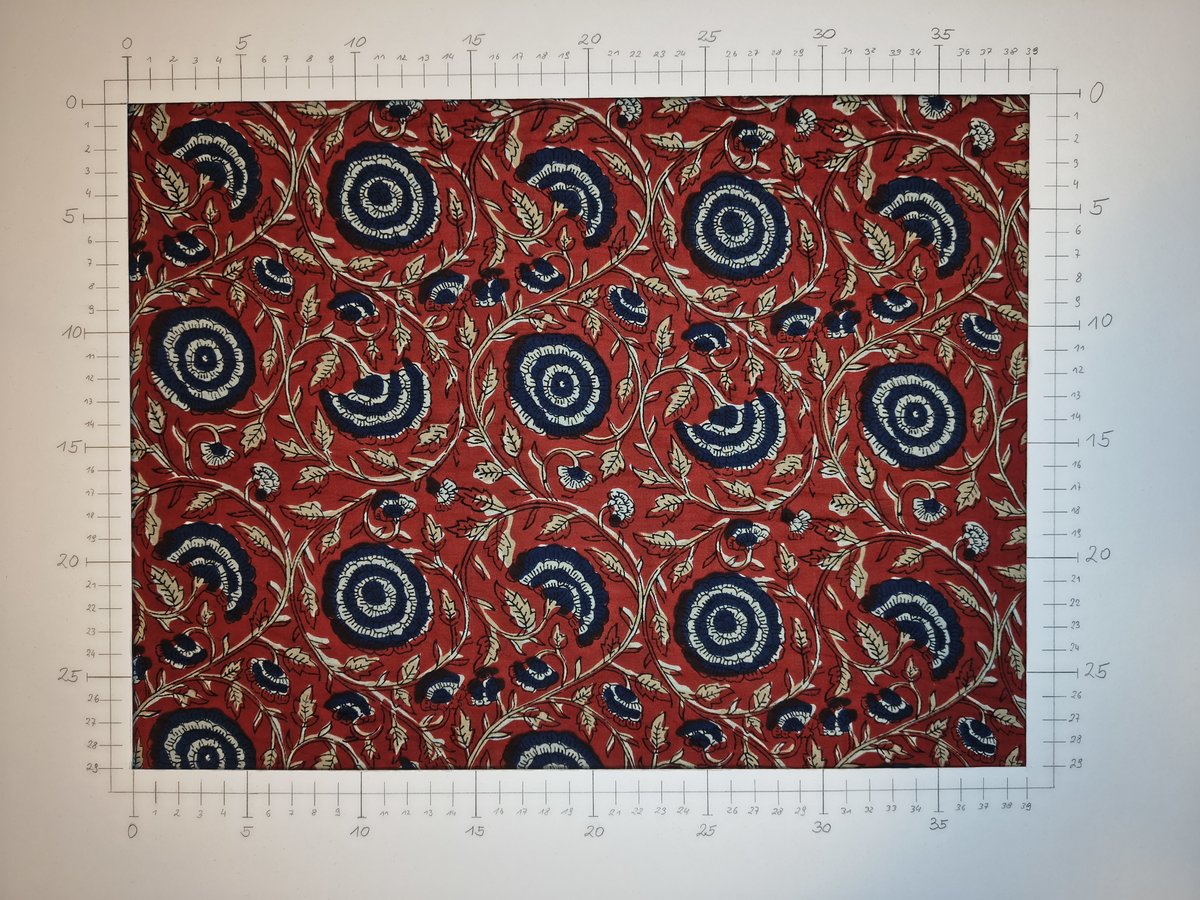
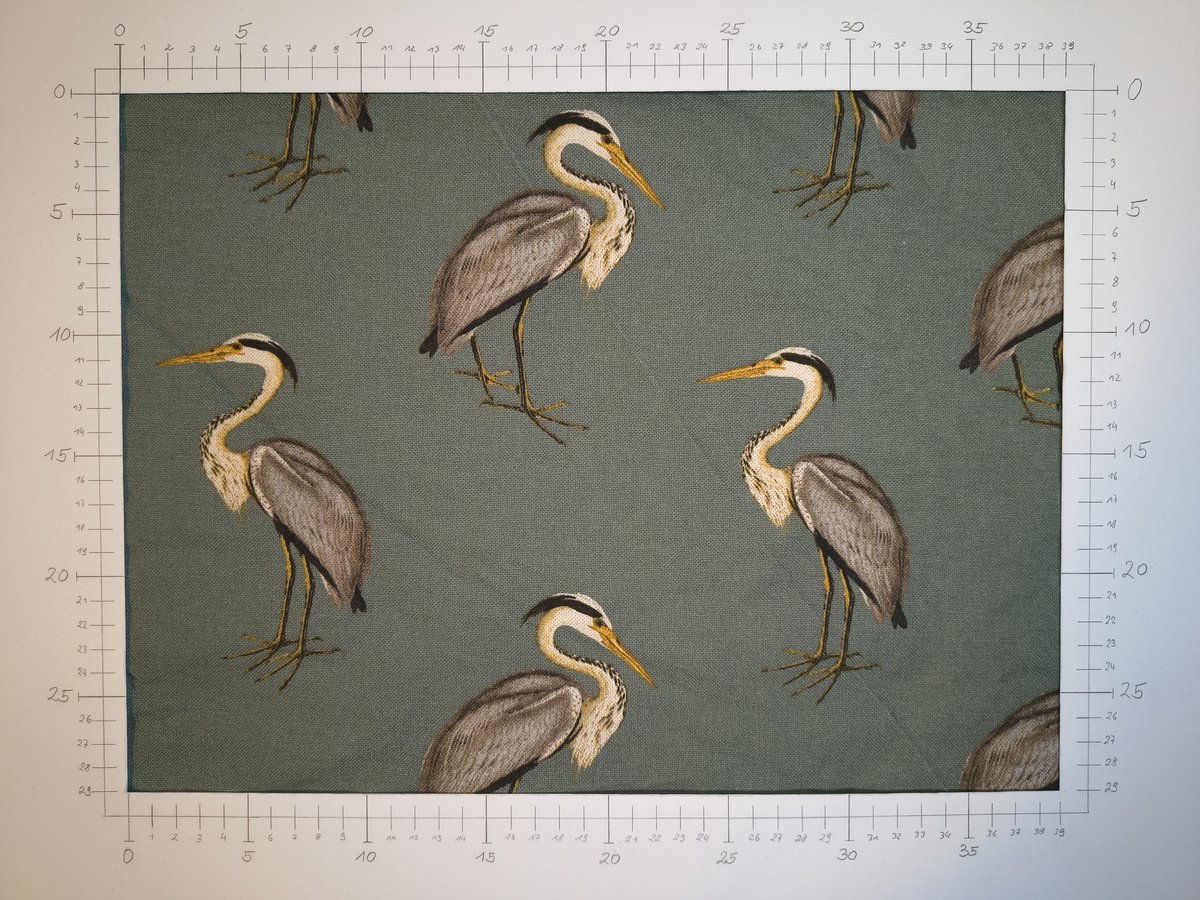
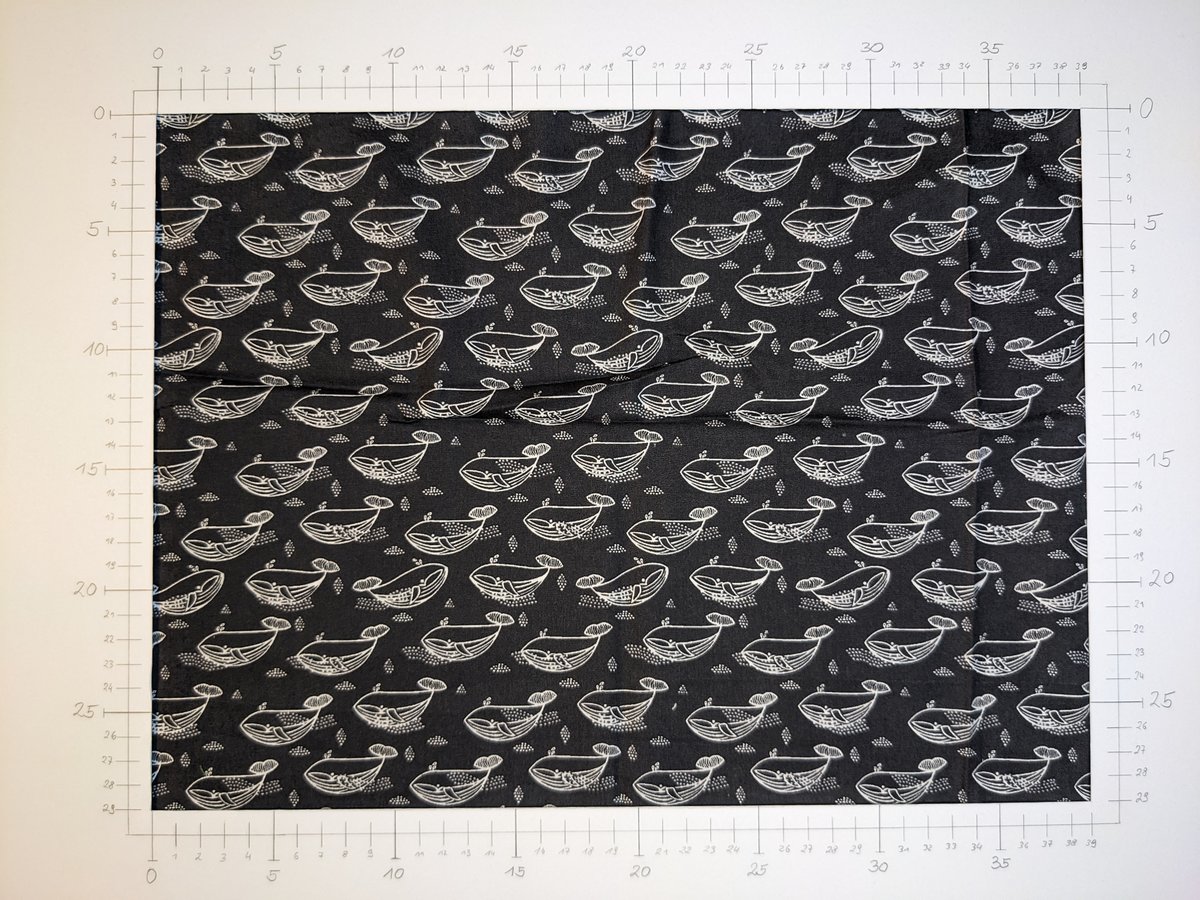
Fabrics have a huge impact on the looks and feel of the bag. A beautiful pattern and a lovely lining can brighten your day whenever you use it. Thus, I aim to use fabrics with patterns you love.
The great thing of making bags out of fabric is that you can go wild with colors and patterns. There are stunning fabrics that make you smile every time you see your bag.
I want to provide you with bags that brighten your days for many years to come. Bags need to be strong enough to safely carry their contents and be well equipped to withstand daily usage.Thus, their fabrics need to provide that. Generally, I use four different sets of fabrics.
Heavy weight: (over 180 g/m²) with durable weaves (e.g. twill, half panama or jacquard) for heavy duty bags such as handbags and shopper
Light weight: (100-150 g/m²) with tight weave (poplin) for pouches and handbag linings
Very light weight: (under 90 g/m²) for unlined drawstring pouches
Color it!
The great thing of making bags out of fabric is that you can use all those stunning patterns and colors. To give you the best shot at finding fabrics you truly like, I have collected a considerable amount of fabrics, in fact, too many to put online now (over 300). Thus I found it worked best if you tell me your preferred color and pattern and I scan my library for a few matches.
Color: patterns can be monochrome but are more commonly made of several tones of one or multiple hues; heavy fabrics often have a beige or white background
Pattern: You can print any type of pattern onto fabric, the most common are leaves, flowers and geometric patterns, followed by animals and objects
Combine it!
In theory, on can make an entire bag out of a single fabric but I find that patterns and color truly start to shine when combining it with others. It takes some experience to know which work well together and I am here to do most of this work for you. Here are the main parts:
Main fabric: (feature pattern) this feature fabric builds the main bag body outside and displays for favorite pattern
Contrast fabric: (plain) a plain colored frame around your main fabric makes it really pop and can be used to make truly matching handles
Lining: (plain or secondary pattern) ones looks so often into handbags, they deserve a pretty lining; pouches and shoppers are plain to not clash with the pattern outside
Pockets: (plain or matching pattern) I keep pocket linings plain but the outside should match the surrounding fabric (either the same or slightly different for an accent)
My recommendation
Apart from the material being suitable for the given bag, there are a few things worth considering. They are not required but elevate the looks of the bag.
Pattern size: the bigger the bag, the larger the pattern; small patterns usually get lost on large bag and warp into noise while large patterns mostly become unrecognizable chopped into pieces to fit on tiny bags
Lining: things become considerably easier to find in your bag when the lining has a light tone and a subtle pattern; this makes better use of the poor lighting inside your bag and doesn’t distract from your items
Restraint: limiting the colors and patterns you combine can drastically increase the elegance of a bag; I prefer using only colors present in the main fabric throughout the rest of the bag to make it look very coherent and clean
Fabric selection process
I have quite accumulated quite a large fabric collection. Therefore, this were we will start searching for fabrics you love. But if we don´t find one there then we can search online for one. There are quite a few fabric online stores that have lovely durable fabrics.
If you already have a fabric you would like me to use, than I am happy to do so as well. We just need to ensure that it is suitable for bag making (durable, non-stretch, etc; see below). You can always contact me to discuss options.
Fabric types
There are hundreds of different fabric types (material, weave and weight) but for simplicity I have limited the selection to five types. All of them are already included in the price of each bag part to streamline the cost calculations. However, if we buy a new fabric together or you send me a suitable one, then I will adjust the prices accordingly.
Check the next sections below for examples.
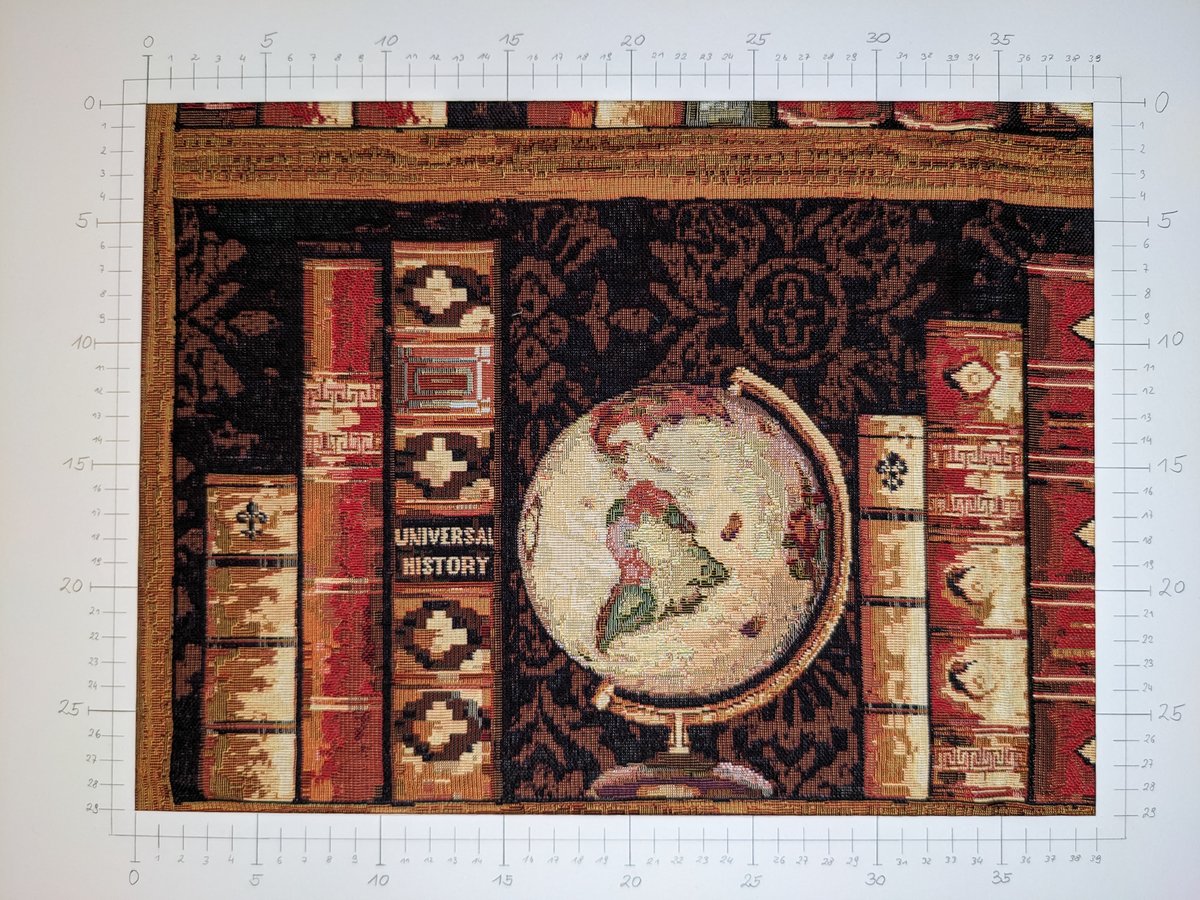
Heavy: pattern
Upholstery fabric makes the bag sturdy and durable but stays soft to the touch and is available in beautiful patterns.
Used for handbags (outside) and shoppers (outside)
Heavy: plain
Heavy cotton twill provides additional strength and durability and is great for accents and handles.
Composition: 65-100% cotton, 0-35% polyester
Weight: about 240 g/m²
Price: included in the bag price
Used for handbags (outside) and shoppers (outside & inside)
Light: pattern
Cotton fabric (poplin) is available in a plethora of patterns for happy spots of color.
Composition: 100% cotton
Weight: about 110 g/m²
Price: included in the bag price
Used for handbags (inside) and pouches (outside)
Light: plain
Cotton poplin fabric is for a multitude of visible and hidden uses (e.g. facing, edging and linings).
Composition: 100% cotton
Weight: about 140 g/m²
Price: included in the bag price
Used for pouches (outside & inside) and wherever needed
Very light
Block print fabric is very light weight and its pattern visible on both sides and thus great for unlined bags.
Composition: 100% cotton
Weight: about 80 g/m²
Price: included in the bag price
Used for unlined drawstring bags
Example fabrics: colors
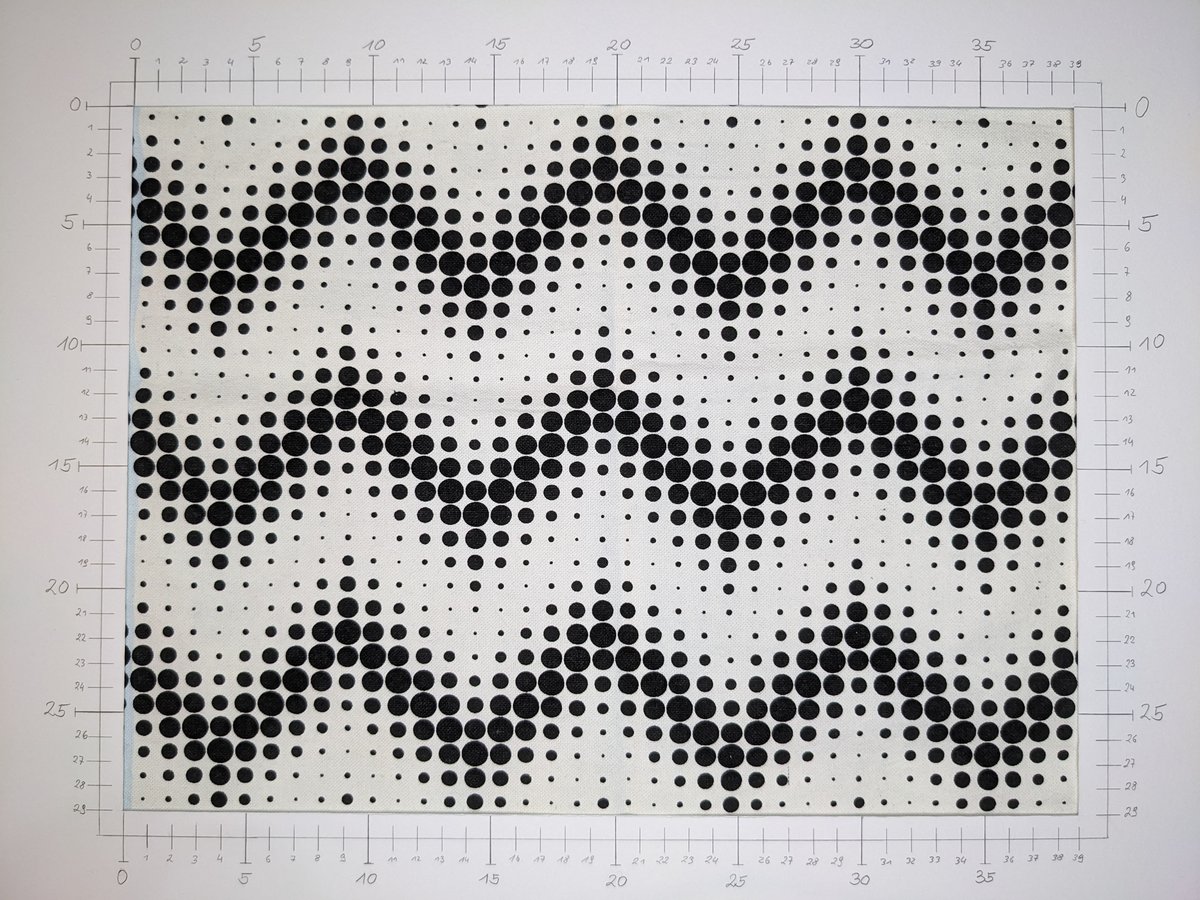
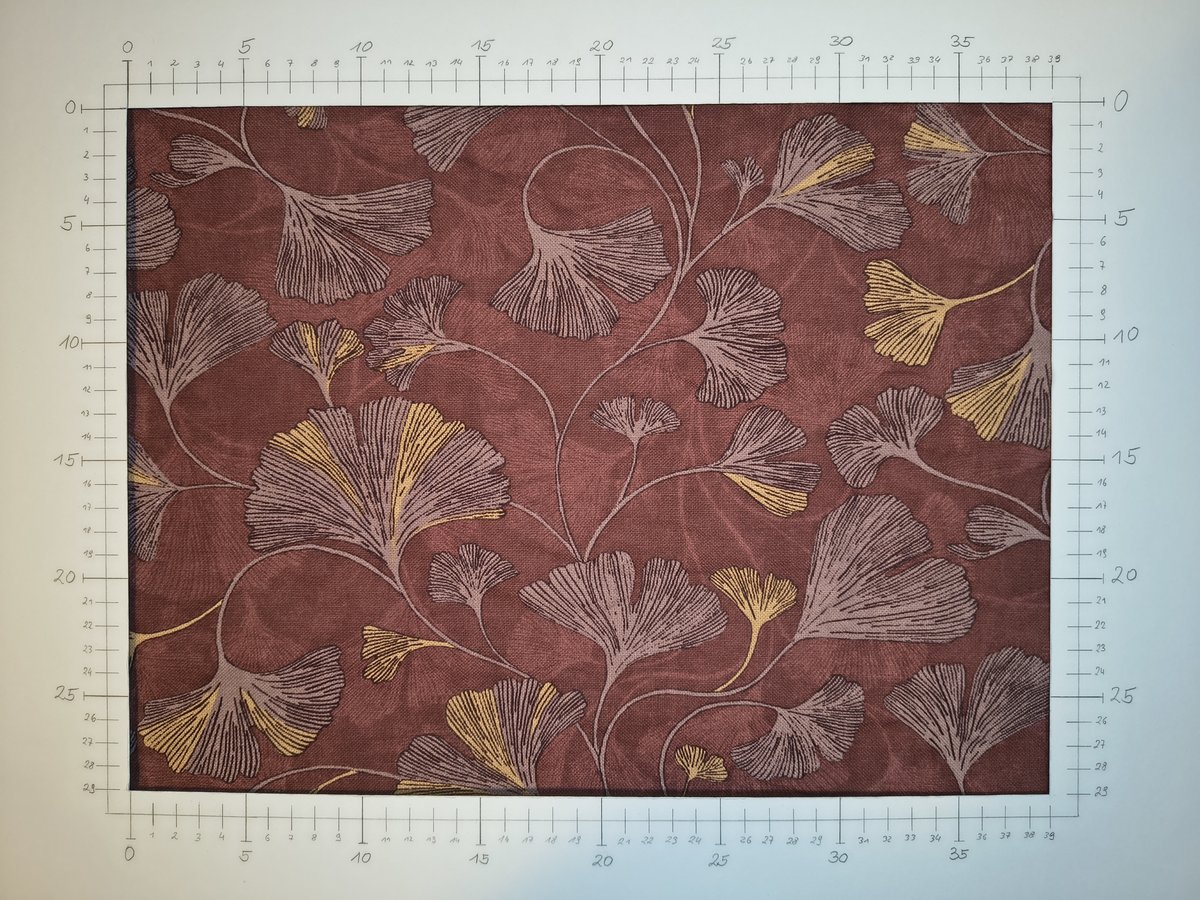
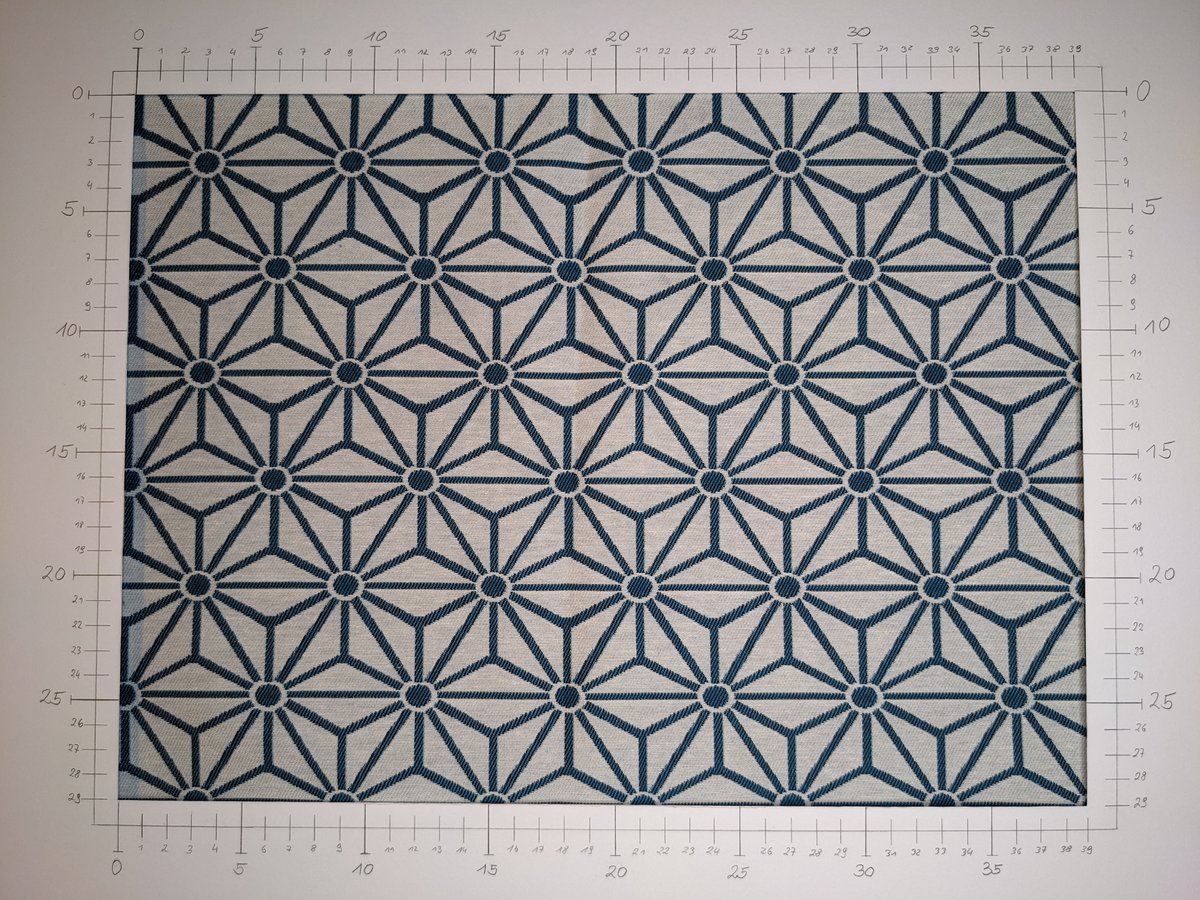
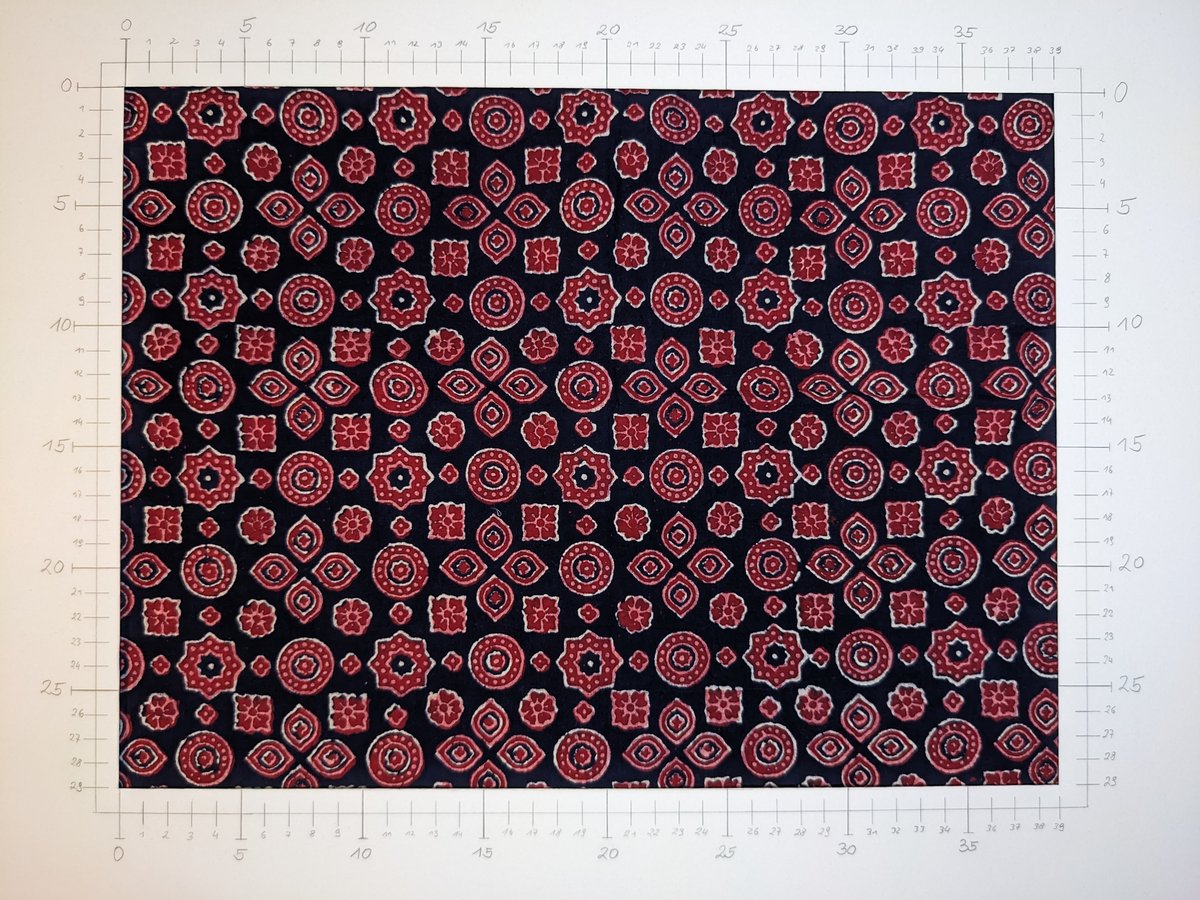
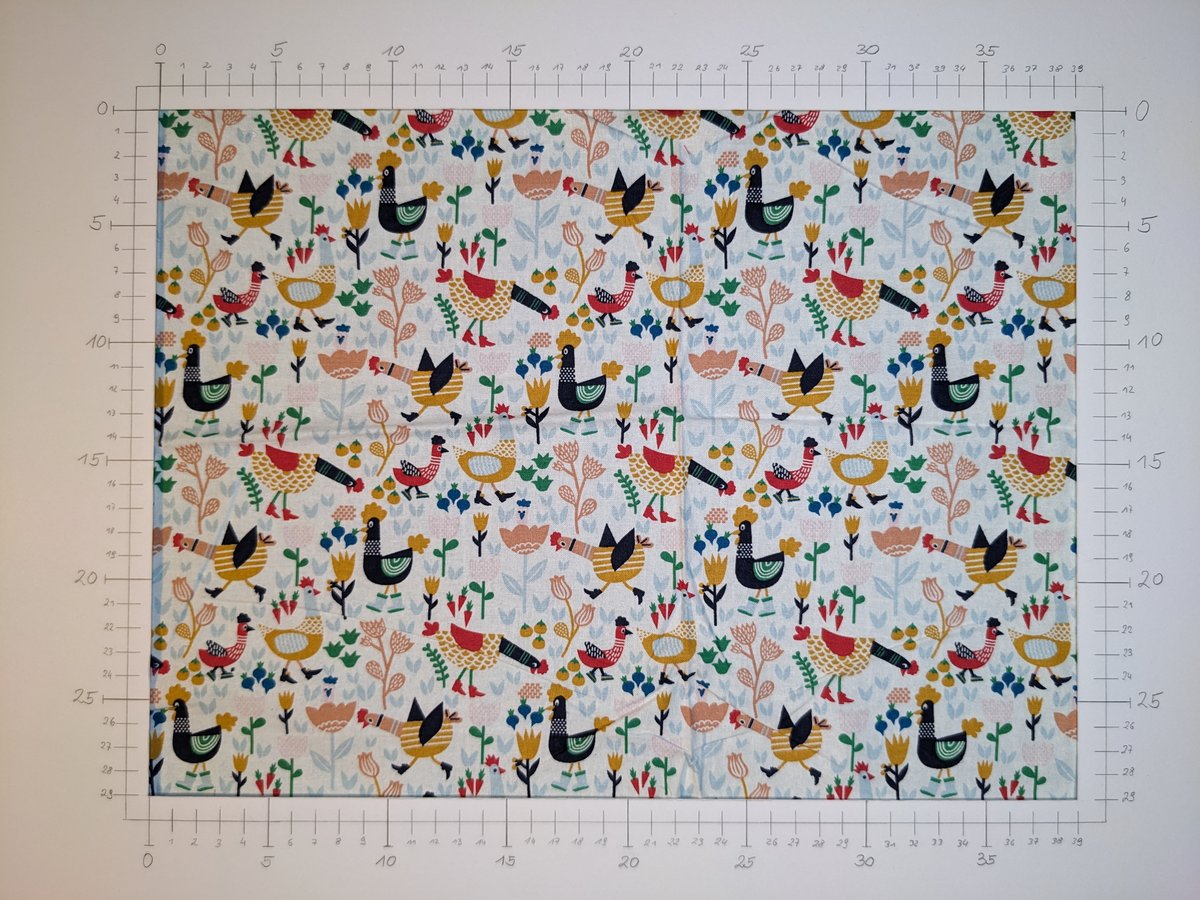
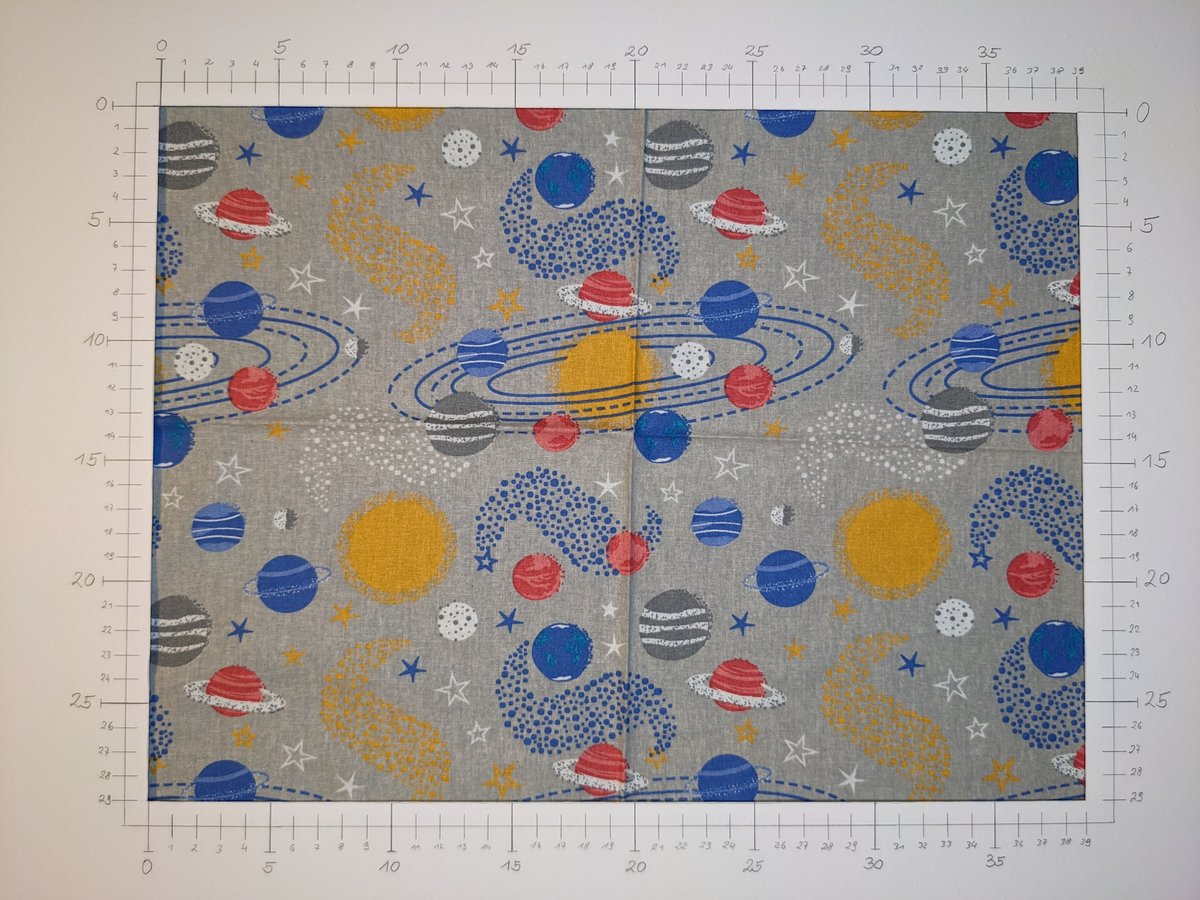
Fabrics can be of any color, light, dark, vibrant or mute. Below I have added some example fabrics with patterns, roughly divided into broad color groups based on their most prominent color.
Patterns can be astonishingly different. They can be simple polka dots, intricate flowers, cute animals, or assortments of objects. They can consist of only two colors (mono) or all colors of the rainbow together.
I tried to categorize all my fabrics into a handful of groups. Swipe the icons below for some fabric examples.